
What Sets Professional Building Inspections Apart: Understanding Professional Inspection Standards
When dealing with commercial properties, the stakes are high. Buying, selling, or managing a commercial building requires precise knowledge about its condition. This is where professional building inspections come in. They provide detailed, reliable information that helps avoid costly surprises. But what exactly sets professional building inspections apart from basic or DIY checks? The answer lies in the professional inspection standards they follow. These standards ensure thoroughness, accuracy, and consistency in every inspection.
The Importance of Professional Inspection Standards
Professional inspection standards are the backbone of any credible building inspection. They define how inspections should be conducted, what should be checked, and how findings should be reported. These standards are developed by industry experts and organizations to maintain quality and trust.
Following professional inspection standards means inspectors use a systematic approach. They cover all critical areas of a building, including structural elements, electrical systems, plumbing, HVAC, roofing, and safety features. This approach reduces the risk of missing hidden defects or potential problems.
For example, a professional inspector will check the foundation for cracks or signs of settling. They will test electrical panels for safety and compliance. They will inspect plumbing for leaks or corrosion. Each step follows a checklist aligned with the standards, ensuring nothing is overlooked.

How Professional Inspectors Conduct Their Work
Professional inspectors bring expertise and experience to the table. They use specialized tools and techniques to assess a building’s condition accurately. Their work is methodical and detailed.
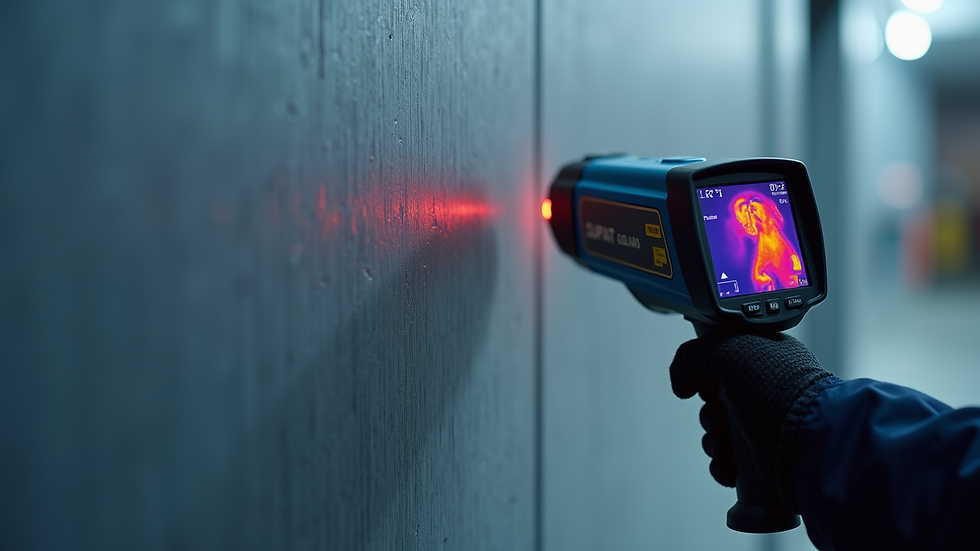
First, they perform a visual inspection. This includes looking at the building’s exterior and interior, noting any visible damage or wear. They use tools like moisture meters, thermal cameras, and electrical testers to detect issues not visible to the naked eye.
Next, they document their findings with photos and notes. This documentation supports their final report and helps clients understand the condition of the property.
Finally, they prepare a comprehensive report. This report is clear, concise, and easy to understand. It highlights major issues, minor concerns, and recommendations for repairs or maintenance.
Using professional inspection standards ensures that the report is consistent and reliable. Clients can trust the information to make informed decisions.
Key Differences Between Professional and Non-Professional Inspections
Not all inspections are created equal. Here are some key differences that set professional building inspections apart:
Training and Certification: Professional inspectors undergo rigorous training and hold certifications. This guarantees they have the knowledge and skills to perform thorough inspections.
Scope of Inspection: Professionals cover all critical systems and components. Non-professionals may only do a surface-level check.
Use of Technology: Professionals use advanced tools to detect hidden problems. Non-professionals often rely on visual checks alone.
Detailed Reporting: Professional reports are comprehensive and include photos, descriptions, and recommendations. Non-professional reports may be vague or incomplete.
Liability and Insurance: Professional inspectors carry liability insurance. This protects clients if an issue is missed during the inspection.
These differences matter because they affect the accuracy and usefulness of the inspection. A professional inspection reduces risk and provides peace of mind.
Why Choose Professional Building Inspections for Commercial Properties
Commercial properties are complex. They have unique systems and structures that require expert knowledge to evaluate properly. Choosing professional building inspections ensures that every aspect of the property is examined with care.
For example, commercial HVAC systems are larger and more complex than residential ones. A professional inspector knows what to look for and how to test these systems. Similarly, commercial electrical systems have higher loads and different safety requirements.
Professional inspections also help identify issues that could affect property value or safety. Early detection of problems like water damage, structural weaknesses, or code violations can save thousands in repairs.
Moreover, professional inspections support negotiations during buying or selling. A detailed report provides evidence to justify price adjustments or repair requests.
How to Prepare for a Professional Building Inspection
Preparation helps maximize the value of a professional inspection. Here are some practical steps to take:
Gather Property Documents: Provide the inspector with blueprints, maintenance records, and previous inspection reports.
Clear Access Areas: Ensure all areas, including basements, attics, and mechanical rooms, are accessible.
List Concerns: Note any specific issues or areas you want the inspector to focus on.
Schedule at the Right Time: Choose a time when the property is empty or lightly occupied to allow thorough inspection.
Attend the Inspection: If possible, be present during the inspection to ask questions and get immediate feedback.
Following these steps helps the inspector work efficiently and provides you with the most useful information.
The Value of Trustworthy Inspection Reports
A professional inspection report is more than just a checklist. It is a detailed document that guides your decisions. It highlights safety concerns, maintenance needs, and potential future problems.
Trustworthy reports use clear language and avoid jargon. They include photos and diagrams to illustrate issues. They also provide actionable recommendations, such as hiring a specialist for repairs or scheduling regular maintenance.
This level of detail helps you plan budgets, negotiate deals, and manage risks effectively.
Choosing a company that adheres to professional inspection standards guarantees you receive this quality of reporting.
Final Thoughts on Professional Inspection Standards
Professional inspection standards set the foundation for reliable, thorough building assessments. They ensure inspectors follow a consistent process, use the right tools, and deliver clear, actionable reports.
When you rely on professional building inspections, you gain confidence in your commercial property decisions. You reduce the risk of unexpected costs and protect your investment.
Investing in a professional inspection is a smart step toward successful property transactions and management. It provides peace of mind and a clear understanding of the building’s condition.
Make sure to choose inspectors who follow these standards. Their expertise and thoroughness will make all the difference.
Utah Commercial Property Inspections is committed to providing expert commercial property assessments across Utah. We help clients confidently buy, sell, or manage properties by delivering thorough, reliable insights and preventing expensive surprises.


Comments